Kullervo by Heretic
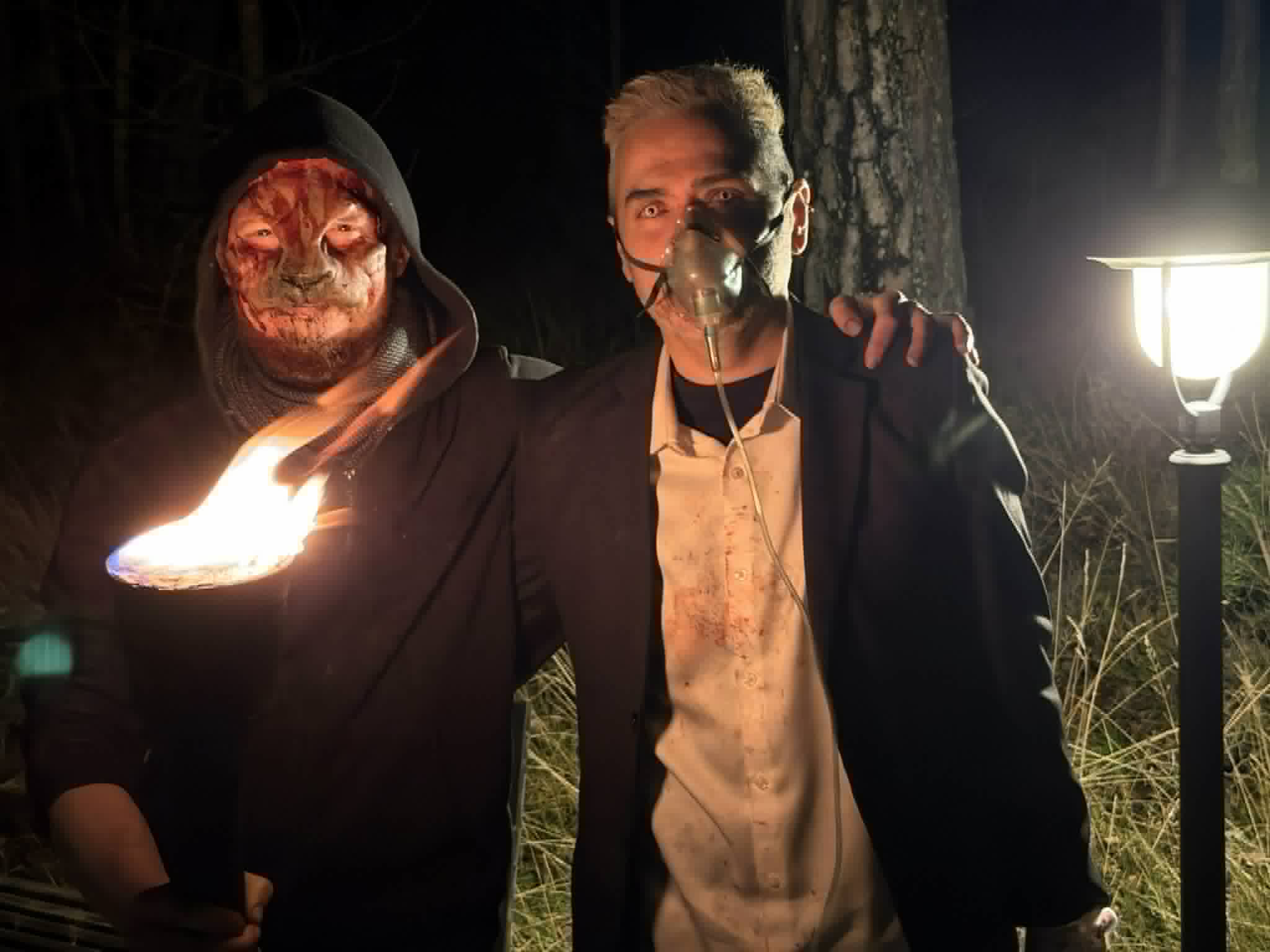
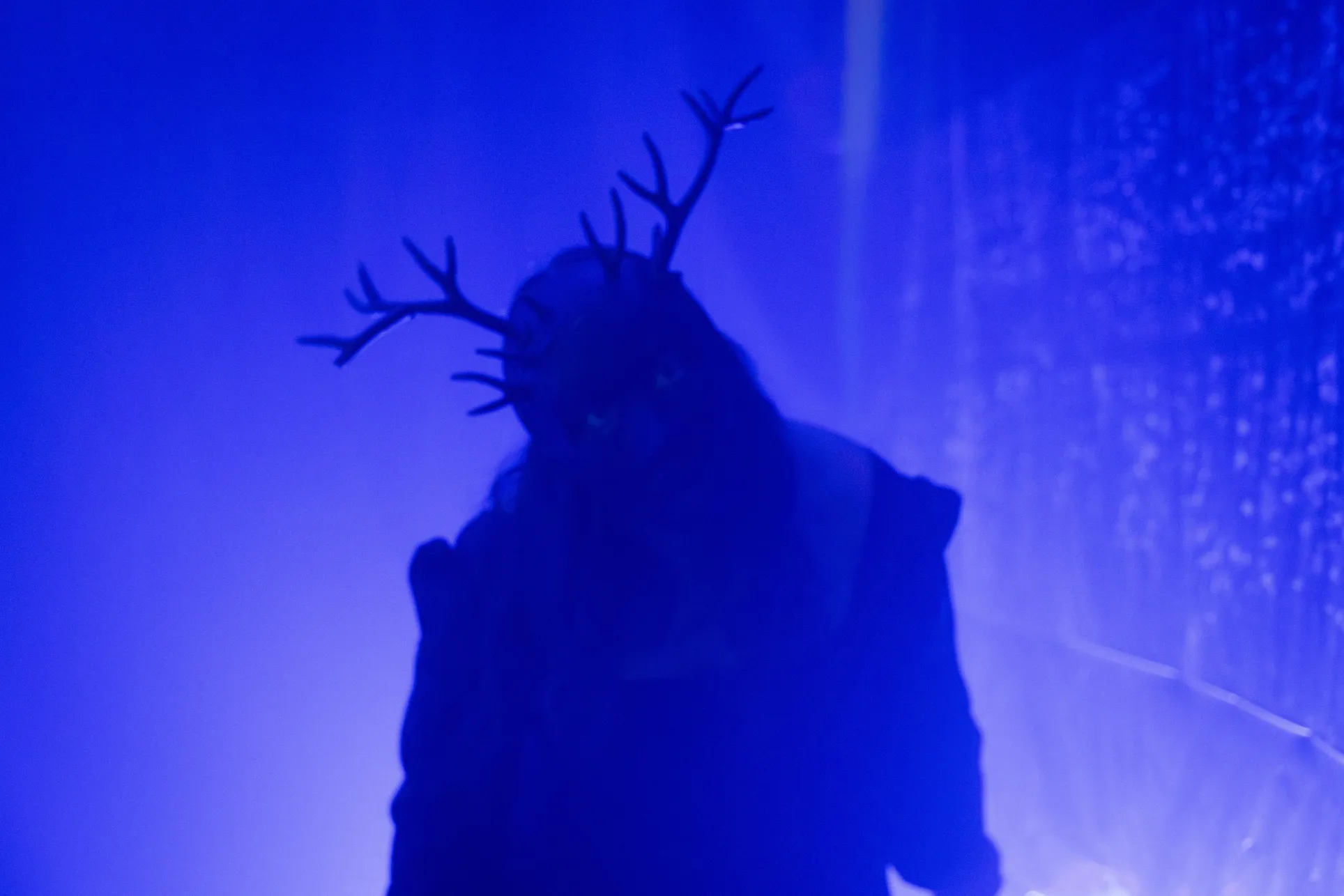
The forests of Finland are cold and dark in November. Nevertheless, a small group of extreme immersive devotees huddle in the cold. The experience will begin soon… and then it will end. Not just tonight, but forever. This is Kullervo, the final offering from Heretic.
Heretic Horror House, pioneered by visionary creator Adrian Marcato and his wife Jessica Murder, debuted in 2013 with its self-titled first show. The experience saw participants trapped and alone in a fog-filled house, tasked with seeking out a young woman's corpse as the building's denizens stalk and torment them. Over 35 shows later, Heretic ended its run in 2018 with Scorpion Garden, billed as its final show. During its run, Heretic set a standard for extreme immersive horror and inspired a generation of new creators, broadening the boundaries of its genre on a global scale.
Kullervo takes its name from the tragic hero of Finnish mythology. Abused as a child, consumed with vengeance, Kullervo's journey ends in suicide upon his own blade, a magical sword which gleefully encourages the act. His story reflected Heretic's ongoing narrative and resonated especially with Marcato.
"The revenge aspect — it was very almost Shakespearean. Revenge and curses. And I kind of internalized that to […] being my own curse, in a way." — Adrian Marcato
The connection to Finnish mythology arose from Marcato's ongoing collaboration with Leo Mörö and After Dark Helsinki. 2018's Scorpion Garden left something unresolved — a fact that Marcato and Mörö circled for years.
"Leo and I had been talking about this forever — six, seven years. So it seemed like this was the natural progression. This was going to be the finale. The final show." — Adrian Marcato
"My [main] reason for all of this was to get Adrian here. That was the whole starting point. To give people a chance to say goodbye to something they really fucking love." — Leo Mörö
Marcato's selection of Finland went beyond its mythology. "The beautiful landscape of Finland — it seems abandoned, almost. There are certain areas where you drive and it seems so empty, and it's just nature." That landscape was made accessible through the hard work of one devoted fan. Mörö began as a Heretic participant, traveling repeatedly across the world to attend nearly seven of Heretic's L.A. shows. Even after the 2018 finale, he remained committed to bringing Heretic to Finland.
"Nobody else would take the responsibility needed. So I was like — I have to do it if there is nobody else who is going to do it." — Leo Mörö
When it became clear that the original (After Dark Helsinki) team did not have the time or bandwidth to help create a new Heretic show, Mörö stepped into the role of co-creator. The final show was the output of both men, with each working independently to develop scenes that functioned together. Europehaunts described the show's visual language as lurching between neon thriller and folklore horror while remaining cohesive — a result of what Mörö described as an aligned but independent process:
"The same starting point, yeah. And then together figuring out what we want to do and make it work, but then also doing our very own thing — but it nicely still correlated." — Leo Mörö
The final result was a virtuoso immersive that the community will be gushing about for a long time to come; a worthy coda to Heretic's groundbreaking six-year run. For Marcato, this was a final goodbye that capped off a long, slow process of letting go of his creation — one that began when the original cast disbanded. "I went my own way, and I knew that I couldn't recreate what I'd done initially."
Marcato is firm on the show's ending, while acknowledging that something still remained after 2018. "Heretic is done officially. I think it died a long time ago, but there were still parts of it that remained with me." He added that his scene, which ended the show, was his final farewell. "It was me saying goodbye to everybody, and being as honest […] as I can."
As he brings Heretic to an end, Marcato reflects on the importance of recognizing when a thing has run its course. "You can't do things forever. I think it loses the power at some point. And I felt like the more I would keep doing it, I don't know if I'd have the same impact as when I started — early on, innovating and trying to be new and original."
Nevertheless, Heretic's influence on extreme immersive horror cannot be overstated. It has inspired countless creators across the world. Marcato is aware of this. In fact, part of his goal in ending Heretic was to create space for these creators to innovate and grow the art.
"Me ending this is a way of saying: you can do anything at this point. It's an open field. You can take it in any which direction." — Adrian Marcato
Heretic is dead, but may it haunt our dreams and nightmares like a curse that won't let go.
Published: